The Hidden Questions Parents Forget to Ask While Visiting a School in North West Delhi
posted on Jul 24, 2026
A school visit day usually goes the same way. Parents walk through freshly painted corridors, admire colourful classroom displays, take a quick look at the playground, and leave with a brochure and a good first impression.
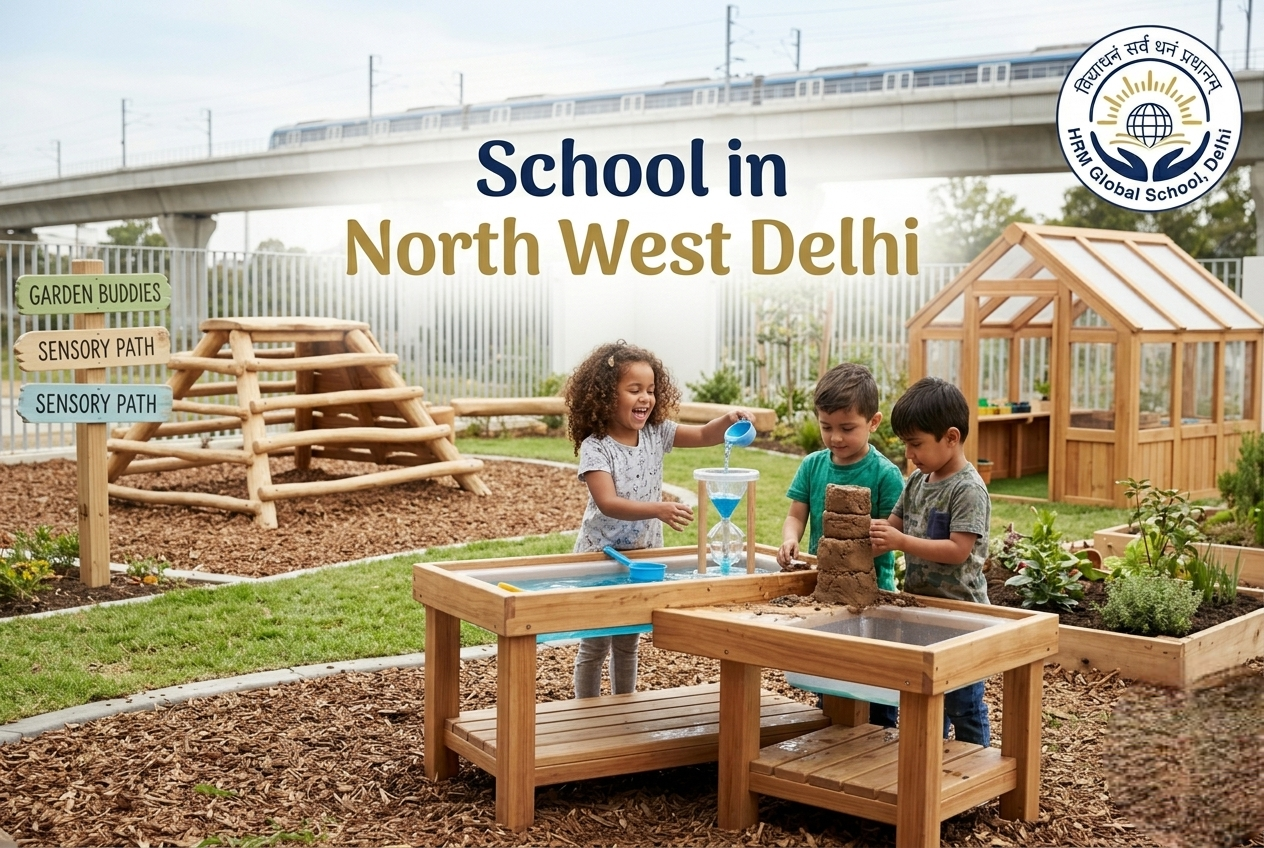
Somewhere between the smiling front-desk staff and the neatly arranged reception area, a lot of important questions simply never get asked.
Choosing the right school in North West Delhi is one of the most consequential decisions a parent will make, yet most school tours are designed to showcase strengths, not surface details. This blog is meant to change that. Instead of the usual checklist of facilities and fee structures, here are the questions that often get overlooked — but that actually reveal how a school will treat your child on an ordinary Tuesday afternoon, not just on admission day.
Why the Obvious Questions Aren't Enough
Most parents walk in already knowing what to ask: What is the fee? What is the teacher-student ratio? Is there a school bus? These are important, but they only scratch the surface. A school's true character shows up in the small, everyday details — how a teacher responds when a child cries, what happens during the fifteen minutes between two classes, or how a school handles a parent's complaint.
If you are shortlisting a top school in Pitampura, going beyond the brochure questions will save you from surprises later.
1. What Does a Typical Tuesday Look Like — Not a Special Event Day?
Open houses and admission days are curated experiences. Ask instead for a walkthrough of an ordinary school day: what time does free play happen, how long is circle time, when do children eat, and what happens if a child finishes an activity early or struggles to keep up.
The answer tells you whether the school's daily rhythm actually matches the polished version presented during your visit.
2. How Do Teachers Handle a Child Who Refuses to Participate?
Every classroom has days when a child sits out, cries, or simply doesn't want to join in. A school's response to this moment says more about its culture than any prospectus.
Does the teacher coax gently, give the child space, or push them to conform immediately? There is no single right answer, but the response should feel thoughtful rather than rehearsed.
3. What Is the Actual Process After Admission — Not Before It?
Many parents research play schools admission in Pitampura thoroughly, comparing forms, fees, and interview processes, but stop asking questions once the seat is confirmed.
What happens in the first week? Is there a settling-in period for children who are new to a classroom environment? Is there a buddy system or staggered start for toddlers who haven't been away from a parent before?
A school that has thought through the after-admission experience, not just the admission process itself, tends to be far more prepared for your child's actual first year.
4. How Do You Communicate with Parents When Something Goes Wrong — Not Just When Things Go Well?
Almost every school will proudly describe their newsletters, parent apps, or annual day celebrations. Fewer will explain how they handle a difficult conversation — a biting incident, a fall on the playground, or a behavioural concern.
Ask directly: if my child has a rough day, how and when will I find out? The honesty and specificity of the answer matters more than the technology used to deliver it.
5. What Happens During Transitions — Drop-Off, Pick-Up, and Between Activities?
Transition times are often the most chaotic moments in any school, and also the most revealing. A calm, well-managed drop-off routine says a lot about staff training and classroom discipline.
Ask to observe, if possible, how children move from one activity to another, or how the class settles down after a high-energy game.
Institutions positioning themselves as the top school in Pitampura should be able to demonstrate this calmly, not just describe it.
6. How Are Teachers Actually Trained, and How Often?
Almost every school claims to have "trained and experienced" staff. Ask for specifics: How often do teachers receive fresh training? Is there a structured onboarding process for new staff? Are teachers evaluated only on academic delivery, or also on how they manage emotional situations in the classroom?
A school that invests continuously in teacher development is investing in your child's daily experience, not just their curriculum.
7. What Does the School Do Differently for Children Who Need Extra Support?
Not every child develops at the same pace. Some may need more time to settle in, extra help with speech, or additional attention during group activities.
Ask how the school identifies these needs early and what support systems — be it smaller group sessions, parent check-ins, or specialist consultations — are actually in place.
The willingness to answer this honestly, rather than defensively, is often a good sign.
8. Can I Speak to a Current Parent, Not Just School Staff?
Almost every school will happily share testimonials, but very few proactively offer to connect you with a current parent for an unfiltered conversation.
If a school is confident in its day-to-day functioning, it should have no hesitation letting you speak informally with a parent whose child is already enrolled.
A Closer Look at HRM Global School
When evaluating institutions in the area, HRM Global School is frequently mentioned by parents specifically because it welcomes these deeper conversations rather than steering visitors toward a scripted tour.
The school encourages parents to observe actual classroom routines, ask about post-admission settling-in support, and understand how teachers are trained to manage both academic and emotional needs.
For families exploring play schools admission in Pitampura, this openness during the visit itself is often a strong early indicator of how transparent the school will continue to be once your child is enrolled.
Making Your School Visit Count
The next time you tour a school in North West Delhi, resist the urge to focus only on infrastructure and fee structures.
Ask about ordinary days, difficult moments, and the systems that operate quietly in the background. These are the details that will shape your child's daily experience far more than a well-decorated reception area ever will.
Final Thoughts
Choosing a school is about finding an environment where your child will be understood, supported, and given room to grow, even on the days that don't go as planned.
By asking the questions most parents forget to ask, you give yourself a far more honest picture of what life at the school will actually look like, well beyond the first impression of your visit.
HRM Global School has grown into one of the more trusted names among parents evaluating a school in North West Delhi, largely because of its willingness to be transparent about the everyday realities of school life, not just its highlights.
The school follows a structured yet child-friendly routine, with clearly defined settling-in support for children joining through play schools admission in Pitampura, and a teaching staff trained to handle both academic milestones and the smaller emotional moments that shape a child's early years.
Beyond academics, HRM Global School places strong emphasis on open communication with families whether that means proactive updates after a difficult day, opportunities for parents to interact directly with teachers, or simply being upfront about how classrooms are run on an ordinary day.
This consistency, paired with a genuine focus on individual attention, is a key reason the school continues to be regarded as a top school in Pitampura by families who have gone through the admission process themselves.
For parents who want more than a polished tour and are looking for a school that welcomes honest questions, HRM Global School is well worth adding to your shortlist.