10 Types of Physical Education Are Best for Students
posted on May 25, 2026
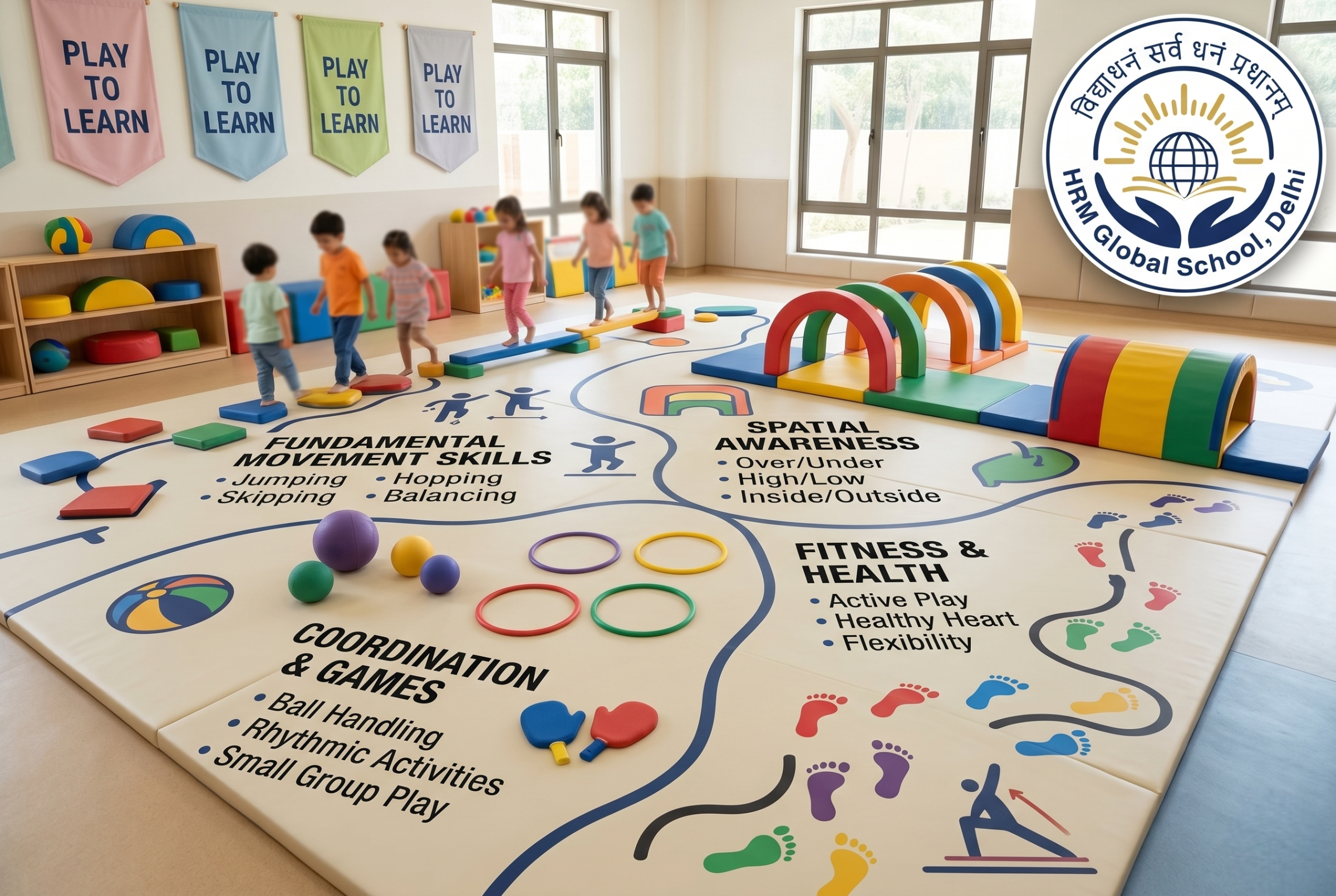
We have all been there, sitting in a classroom for hours, watching the clock tick, waiting for that one glorious bell to ring: the recess or physical education (PE) period bell. But over the years, physical education has transformed dramatically. It is no longer just about blowing a whistle and telling kids to run laps around an empty ground.
Today, educators realize that movement is directly tied to brain development, emotional resilience, and social skills. If you are looking to introduce physical movement that sticks, understanding the different types of physical education is the best place to start.
Whether you are a parent looking for structured physical education activities for elementary students or an educator planning a school sports curriculum, here are the 10 best types of physical education that keep students healthy, happy, and highly motivated.
10 Types of Physical Education Are Best for Students
-
Traditional Sports and Games
When people think about physical education, this is usually what comes to mind. It includes staple sports like football, basketball, cricket, volleyball, and badminton.
Why it works for students:
Traditional sports teach the fundamentals of team dynamics, communication, and sportsmanship. Students learn to handle victories with humility and losses with grace. It also introduces structured rules, helping kids understand spatial awareness and strategic thinking.
-
Fundamental Movement Skills (FMS)
Before a child can smash a badminton shuttlecock or kick a football with precision, they need to master basic body mechanics. Fundamental Movement Skills focus on three core areas:
- Locomotor movements: Running, skipping, jumping, and hopping.
- Non-locomotor movements: Stretching, balancing, twisting, and bending.
- Manipulative skills: Throwing, catching, kicking, and striking.
For younger kids, these are the primary physical education activities for elementary students that build the neurological pathways required for all future athletic endeavors.
-
Cooperative and Team-Building Games
Sometimes, competition can cause sensitive students to withdraw. That is where cooperative physical education comes into play. Instead of playing against each other, students work with each other to achieve a common goal.
[Student A] + [Student B] ---> Work together to cross the "Lava River"

(Builds trust & communication without the pressure of a scoreboard)
Activities like "The Human Knot," parachute games, or crossing an imaginary "lava river" using balance blocks require collective problem-solving. This type of PE shifts the focus from individual athletic dominance to group success and empathy.
-
Rhythmic and Dance-Based Activities
Physical fitness does not always have to look like a drill. Rhythmic physical education combines movement with music, incorporating everything from traditional folk dances and aerobics to modern hip-hop and Zumba.
Benefits at a glance:
- Improves cardiovascular endurance.
- Enhances rhythm, timing, and motor coordination.
- Acts as an excellent creative outlet for emotional expression.
- Boosts memory through memorizing choreography sequences.
-
Outdoor Adventure and Experiential Education
Taking physical education outside the school gates opens up a whole new world of learning. Outdoor adventure education includes activities like trekking, rock climbing, camping, nature trails, and orienteering (using a map and compass to navigate).
This type of PE teaches self-reliance and risk management. It strips away digital distractions and forces students to interact directly with nature, building an organic appreciation for environmental conservation alongside physical stamina.
-
Gymnastics and Body Management
Gymnastics challenges students to control their bodies against gravity. It involves floor exercises, tumbling, balancing acts, and using simple apparatus like vaults or parallel bars.
You do not need to train students to become Olympic gymnasts to reap the rewards of this category. Basic gymnastics moves build incredible core strength, flexibility, spatial orientation, and postural alignment that protect children from lifestyle-induced physical issues later in life.
-
Mind-Body Fitness and Yoga
Physical education isn't just about high-intensity cardio; it is also about down-regulation and mental clarity. Integrating yoga, deep breathing exercises, and mindfulness into the PE curriculum has become vital for modern students facing academic stress.
| Component |
Physical Benefit |
Mental Benefit |
| Asanas (Postures) |
Balance, flexibility, and core strength |
Reduced muscle tension |
| Pranayama (Breathing) |
Improved lung capacity |
Lowers cortisol (stress hormone) |
| Mindfulness/Meditation |
Body awareness |
Sharpens focus and classroom attention |
-
Fitness and Conditioning Concepts
As students grow into middle and high school, they need to understand the science behind staying fit. This branch of PE moves away from game rules and focuses on personal health management.
Students learn about the core pillars of fitness: cardiovascular endurance, muscular strength, muscular endurance, body composition, and flexibility. Activities include circuit training, high-intensity interval training (HIIT), and learning how to track heart rates. It empowers kids with the lifestyle tools they need to stay fit long after they graduate.
-
Adaptive Physical Education (APE)
True education leaves no child behind. Adaptive Physical Education is a subtype specifically modified or designed for students with special needs or developmental delays.
Whether it involves using brighter, larger balls for visually impaired students, creating seated sports alternatives, or altering game rules to accommodate neurodivergent learners, APE ensures that every single student experiences the joy of movement, community, and physical achievement.
-
Aquatics and Water Safety
Where facilities permit, swimming and aquatics form an unmatched category of physical education. Swimming is a low-impact, full-body workout that builds exceptional lung capacity and muscular endurance. More importantly, learning water safety and basic rescue techniques is a literal life-saving skill that every child should ideally have access to.
The Early Blueprint: Nurturing Movement in Early Childhood
While these ten types cover the full spectrum of K-12 education, the absolute bedrock of physical development is formed during a child’s preschool and play school years. If a child does not fall in love with active play early on, it becomes much harder to pull them away from digital screens later.
When evaluating early childhood education, parents frequently look for the best play school in Pitampura Delhi to find an institution that understands this balance. High-quality early learning environments do not separate cognitive learning from physical play; they merge them. Active play areas, sensory corridors, and guided motor skill games ensure that a child's earliest memories of physical movement are filled with pure joy and discovery.
Conclusion: Fostering a Lifelong Love for Health
Ultimately, the best approach to physical education is a blended one. A school shouldn't stick to just one style; it should weave these various types of physical education seamlessly into the academic calendar to engage every unique type of learner—from the highly competitive athlete to the quiet, artistic student.
At HRM Global School, this holistic integration is precisely what drives the daily student experience. Recognized widely as a premier hub for comprehensive development, HRM Global School provides an advanced, state-of-the-art infrastructure designed to bring out the best in every child. From beautifully planned, active green spaces and dedicated sports facilities to specialized programs targeting early childhood development, the campus ensures that fitness is never treated as an afterthought.
Whether your family is searching for the absolute best play school in Pitampura Delhi, to kickstart your toddler's journey, or a world-class K-12 institution that places equal weight on academic mastery and physical well-being, HRM Global School stands out as the ideal destination. By nurturing healthy bodies alongside sharp minds, HRM Global School effectively prepares today’s young learners to confidently stride into a brighter, healthier tomorrow.